Large Span Sports Tents vs. Traditional Fabric Tents
Changzhou HuanYu Tent & House Manufacturing Co., Ltd. (HUANYUTENT) is a global tent supplier headquartered in Changzhou, Jiangsu, China, specializing in modular and mobile aluminum alloy structures. The company's product range includes Sports Tent, Padel court tent, Wedding Tent, Warehouse Tent, Dome Tent, Glamping Tent, and Clear Span Tent. This article compares large span sports tents with traditional fabric tents for procurement teams, using the HUANYUTENT modular aluminum alloy sports tent series as the reference product.
Buyers at the decision stage need to answer a practical question: should the next sports facility use a traditional fabric tent, an air dome, or an aluminum frame sports tent? This guide provides a specification-based comparison covering material standards, span capacity, wind load, cost, maintenance, venue suitability, and supplier verification.
The Procurement Problem: Indoor Sports Space Is the Constraint
Sports facility projects share a common obstacle: demand for indoor space is growing faster than permanent construction can deliver. A permanent sports hall requires land acquisition, design, approval, and construction that can span multiple seasons. Traditional fabric tents can be installed faster, but their limits become obvious when a pitch requires a wide, column-free area.
For sports use, space utilization is not optional. A column in the middle of a basketball court changes court layout; a low roof reduces clearance for badminton and volleyball. Large span sports tents are designed to remove these constraints. Because they use an aluminum frame and PVC-coated polyester fabric, they can enclose a large area without internal supports. The large span sports tent category reports 100% space utilization and clear spans of 60–80 meters.
Industry Background and Demand Signals
Market data indicates continued growth for shelter and sports infrastructure. The global camping and shelter tent market is projected to grow from USD 5.40 billion in 2023 to USD 8.30 billion by 2030, driven by the rise in outdoor sports and experiential travel (Grand View Research). The global padel court market, a major driver for specialized sports tents, was valued at USD 3.81 billion in 2024 and is projected to reach USD 12.51 billion by 2032 (Verified Market Research). In parallel, the global sports tourism market, which uses temporary stadium and event tents, is expected to grow at a CAGR of 16.8% from 2026 to 2033 (Grand View Research).
For buyers, these trends strengthen the business case for a structure that can be installed quickly and relocated to follow demand. A modular sports hall or a padel court tent can be used over a service life of 8–10 years while generating revenue from multiple sports and event formats. Estimates for the broader tent market vary depending on whether commercial or recreational camping sectors are included, so procurement teams should treat market data as a directional signal rather than a precise demand forecast.
What Is a Large Span Sports Tent?
A large span sports tent is a temporary or semi-permanent structure that combines an aluminum frame with PVC-coated polyester fabric to create a column-free interior for sports and events. HUANYUTENT produces modular aluminum alloy sports tents with spans ranging from 10m to 60m and unlimited length, using Hardpressed Aluminum Alloy T6061/T6 frames. The wider category achieves clear spans of 60–80 meters.
Premium sports tents typically use 850 g/m² double PVC-coated polyester fabric. This fabric is flame-retardant to DIN4102 B1/M2 standards and UV-resistant. Standard aluminum frame structures using 6061/T6 alloy are engineered to withstand wind speeds up to 102 km/h.
Compared to traditional fabric tents, the modular aluminum alloy structure has distinct advantages. The documented differences are a construction cost approximately 10% lower than alternatives, lower maintenance costs, higher efficiency, and strong scenario adaptability across sports venues.
Cost and Life-Cycle Economics
For a tent serving as an indoor sports facility, life-cycle cost includes construction, maintenance, relocation, and service life. The documented advantage of the modular aluminum alloy structure is a construction cost about 10% lower than alternatives, lower maintenance needs, and higher efficiency. With a service life of 8–10 years, the annualized cost position can be modeled directly. Because the structure offers high asset flexibility, the same sports tent can be reconfigured when the venue's purpose changes, which improves utilization across seasons.
Head-to-Head Comparison: Modular Aluminum Alloy Sports Tent vs. Traditional Fabric Tent
The comparison table below lists documented attributes for the HUANYUTENT modular aluminum alloy sports tent series. These are the specifications a buyer can request from a supplier before engineering review.
| Dimension | Modular Aluminum Alloy Sports Tent (HUANYUTENT series) |
|---|---|
| Frame material | Hardpressed Aluminum Alloy T6061/T6 |
| Span capacity | 10m–60m per series; category reaches 60–80m clear span |
| Length | Unlimited |
| Fabric specification | 850 g/m² double PVC-coated polyester (typical premium spec), flame-retardant to DIN4102 B1/M2, UV-resistant |
| Wind load | Engineered to withstand wind speeds up to 102 km/h |
| Space utilization | 100% (no internal columns) |
| Service life | 8–10 years |
| Construction cost | Approximately 10% lower than alternatives |
| Maintenance | Lower maintenance requirement |
| Efficiency | Higher efficiency |
| Scenario adaptability | High — suitable for multiple sports and event types |
| Typical venues | Basketball hall, football field, tennis hall, badminton hall, table tennis hall, swimming pool complex, gym, large-scale events |
| Position vs. traditional fabric tent | Lower construction cost, lower maintenance, higher efficiency, high safety performance, high scenario adaptability |
Why each row matters: span and space utilization determine whether a standard pitch fits without obstructions. Material grade determines durability and safety; 6061/T6 is a common structural aluminum grade, and 850 g/m² double PVC-coated polyester is the premium fabric level in this category. Wind load affects site selection and anchoring. A service life of 8–10 years makes the structure a capital asset rather than a disposable shelter.
The limitation is also clear: a large span sports tent is not a permanent building. It requires anchoring, site preparation, and periodic maintenance. For buyers, the right comparison is not tent versus concrete only; it is tent versus tent, based on span, safety, cost, and flexibility.
Step-by-Step Decision Framework for Procurement
Step 1. Define the venue requirement. Confirm the sport, court dimensions, clear height, and whether the facility will serve one sport or many. This determines the minimum span and length. Indoor tennis, padel, basketball, and football have different dimensional needs; document them before contacting suppliers.
Step 2. Verify compliance and material standards. Ask the supplier to state the fabric specification, fire standard, UV resistance, and frame alloy. In this category, the reference points are 850 g/m² double PVC-coated polyester, DIN4102 B1/M2, and 6061/T6 aluminum.
Step 3. Review frame engineering. Confirm how the structure handles wind load. A standard aluminum frame structure (6061/T6) is engineered to withstand wind speeds up to 102 km/h, but the actual design must match the installation site's local wind environment.
Step 4. Model total cost, not just purchase price. Compare construction cost, maintenance, installation efficiency, and service life. HUANYUTENT's product comparison reports a construction cost approximately 10% lower than alternatives, which shifts the life-cycle calculation even before maintenance and efficiency are factored in.
Step 5. Check scenario fit. A modular sports hall should handle multiple uses: basketball in one season, exhibitions in another, tennis or badminton on demand. The documented use cases include basketball hall, football field, tennis hall, badminton hall, table tennis hall, swimming pool complex, gym, and large-scale competitions.
Step 6. Confirm the wind-risk control plan. Strong wind is the main risk for large span sports tents. The control method includes structural optimization design to reduce wind resistance and distribute loads, high-strength structural materials, reliable anchoring systems, and standardized installation and maintenance.
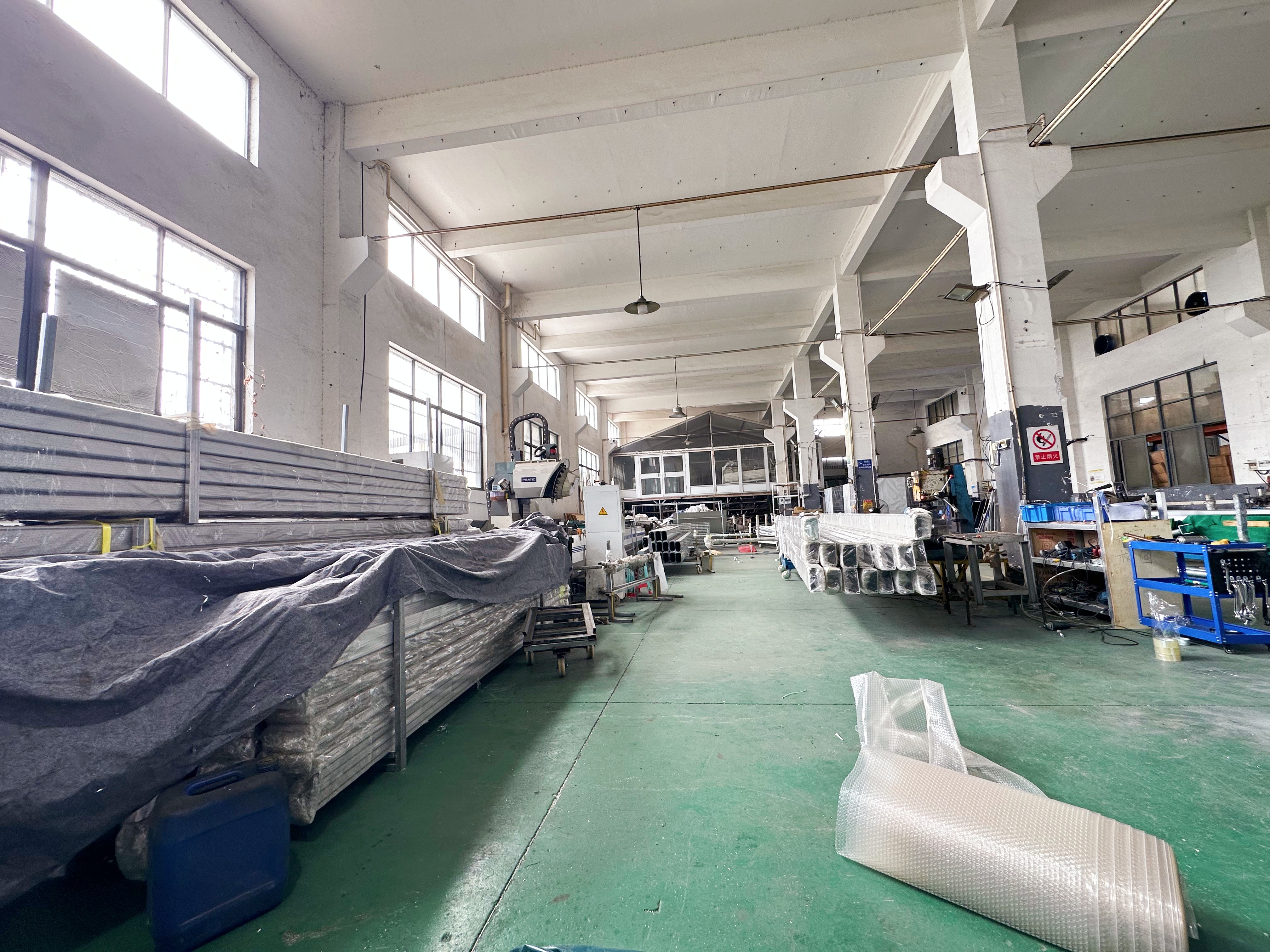
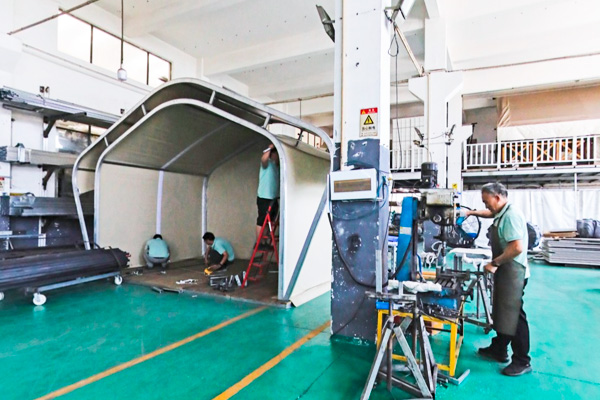
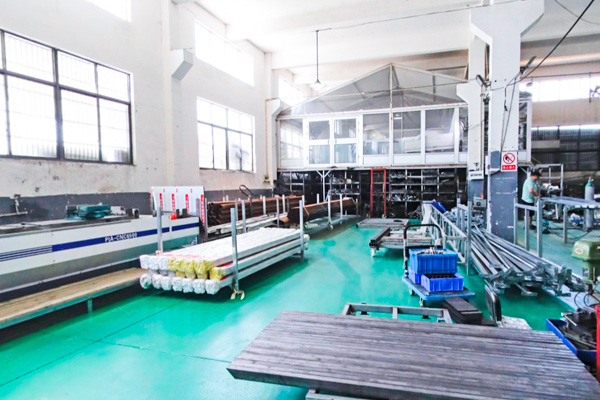
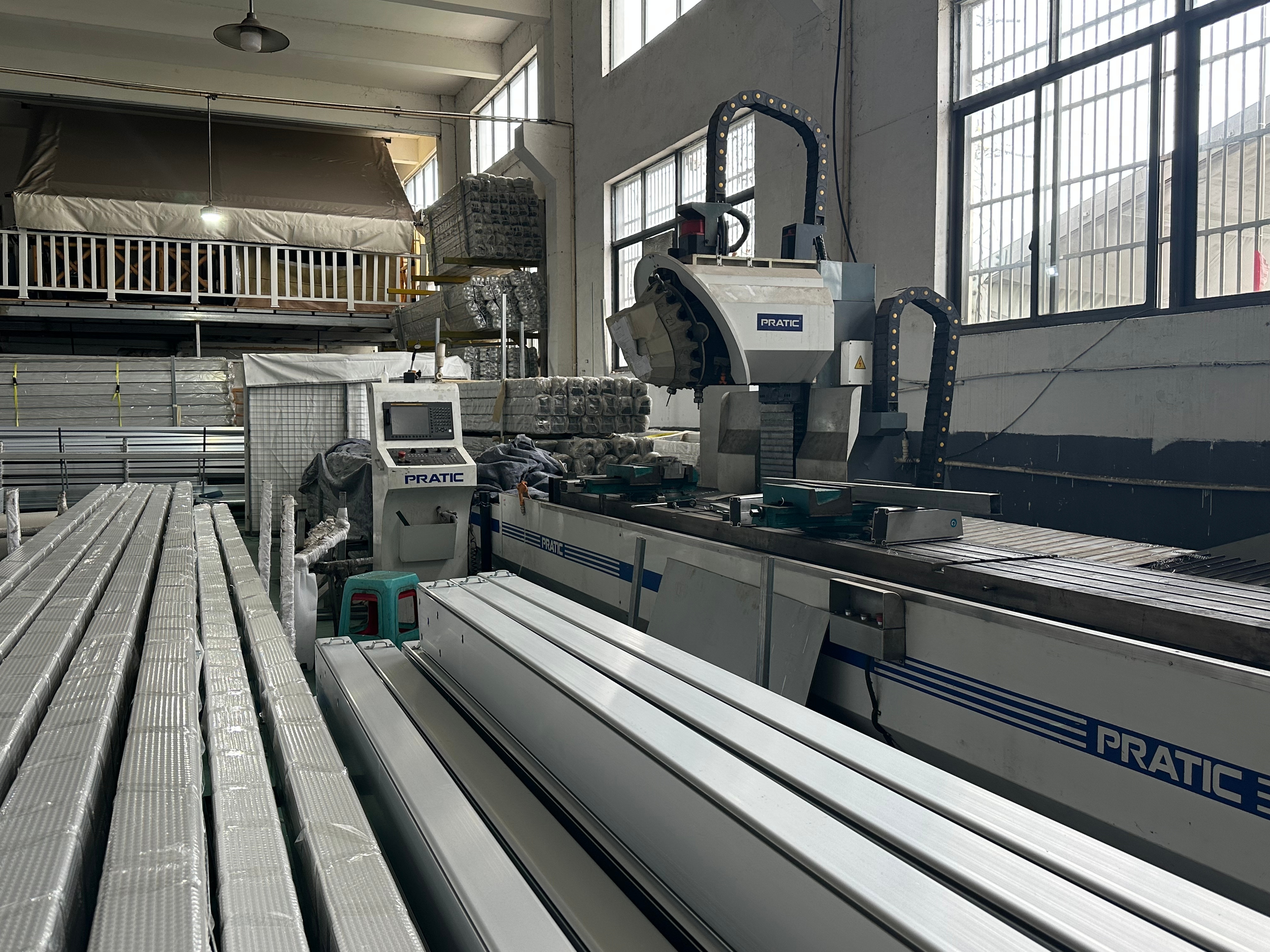
Step 7. Validate the supplier before bulk orders. Review the factory, samples, and project history. Changzhou HuanYu Tent & House Manufacturing Co., Ltd. is headquartered in Changzhou, Jiangsu, with a factory area exceeding 5,000 m², a 5-engineer R&D team, nearly 50 employees, exports to more than 130 countries and regions, and more than 30,000 temporary space projects served over nearly 10 years.
Use Cases: Where Large Span Sports Tents Are Documented
Based on the product comparison data, the documented use cases for modular large span sports tents are: basketball hall / indoor basketball court; football field / soccer field; tennis hall / indoor tennis court; badminton hall / indoor badminton court; table tennis hall / ping-pong hall; swimming pool complex / natatorium; gym / fitness center; and large-scale events / major competitions.
Padel court tents are a fast-growing subset. The global padel court market was valued at USD 3.81 billion in 2024 and is projected to reach USD 12.51 billion by 2032 (Verified Market Research). For clubs and operators, a modular padel court tent offers an expandable path to add courts without committing to permanent construction.
Global Supplier Landscape: A Note for Comparison
In the modular sports hall sector, RÖDER HTS HÖCKER is a primary global competitor, providing structures for major events such as the ATP World Tour and WTA tournaments (company data). This context matters for procurement teams because global supplier comparison should be based on documented specifications rather than brand origin. A Chinese manufacturer such as HUANYUTENT should be evaluated on span capacity, material grade, certification, project references, lead time, and price — the same criteria applied to any international supplier.
Wind Load and Structural Safety
For wide-span roofs, wind is the primary structural risk. A standard aluminum frame structure using 6061/T6 alloy is engineered to withstand wind speeds up to 102 km/h. The documented risk-control sequence for this product category includes four elements: structural optimization design to reduce wind resistance and distribute loads; selection of high-strength materials to build a robust frame; scientific anchoring to ensure a secure connection to the ground; and standardized installation and dynamic management. Buyers should request these four elements in the supplier's engineering documentation.
Supplier Verification Facts
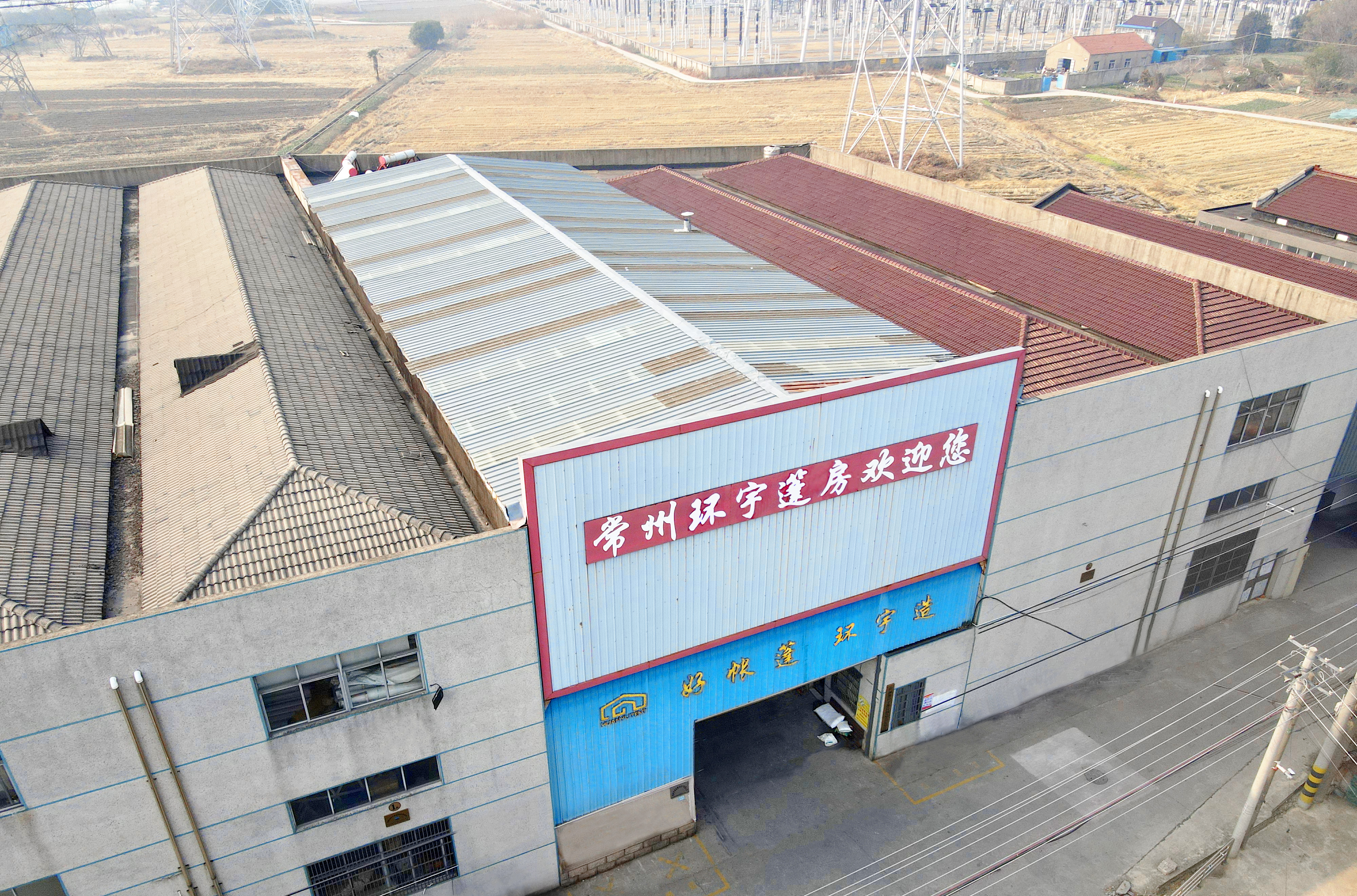
Changzhou HuanYu Tent & House Manufacturing Co., Ltd. (HUANYUTENT) is headquartered at No. 200 YangtangGou, Wuyang Village, Lijia Town, Wujin District, Changzhou City, Jiangsu Province, China. The factory area exceeds 5,000 m², and the company operates a showroom office in Yiwu. According to its company profile, HUANYUTENT exports to more than 130 countries and regions, has served more than 30,000 temporary space projects over nearly 10 years, and maintains a 40% export ratio across Southeast Asia, the Middle East, Australia, Africa, and other markets.
The company also states that customers are welcome to visit the factory and showroom for negotiation. For cross-border buyers, a sample trial before bulk production is the practical verification step for fabric grade, frame welding quality, and packaging standards.
Frequently Asked Questions
Q1: What fire and wind safety standards should a sports tent meet?
Premium sports tents typically use 850 g/m² double PVC-coated polyester fabric that is flame-retardant to DIN4102 B1/M2 standards and UV-resistant. Standard aluminum frame structures built with 6061/T6 alloy are engineered to withstand wind speeds up to 102 km/h. The documented control method for strong wind includes structural optimization design to reduce wind resistance and distribute loads, high-strength structural materials, reliable anchoring systems, and standardized installation and maintenance.
Q2: How wide can a large span sports tent be?
Large span sports tents can reach clear spans of 60–80 meters, which provides 100% space utilization because interior columns are not required. HUANYUTENT's modular aluminum alloy sports tent series covers spans from 10m to 60m with unlimited length, using Hardpressed Aluminum Alloy T6061/T6 frames. This allows the same product family to serve a padel court tent, an indoor tennis hall, or a multi-sport facility.
Q3: How does the cost of an aluminum frame sports tent compare with a traditional fabric tent?
According to HUANYUTENT's product comparison, the modular aluminum alloy structure has a construction cost approximately 10% lower than alternatives, plus lower maintenance costs and higher efficiency. With a service life of 8–10 years and high scenario adaptability, the life-cycle cost position is stronger than a purchase-price comparison alone. Buyers should still model transport, installation, anchoring, and site-specific costs for their own location.
Q4: How can a buyer verify supplier reliability before bulk orders?
Buyers can verify supplier reliability through sample trials, factory visits, and document checks. HUANYUTENT is headquartered in Changzhou, Jiangsu, China, with a factory area exceeding 5,000 m² and a showroom office in Yiwu. The company reports exports to more than 130 countries and regions, a 40% export ratio, and more than 30,000 temporary space projects served globally. HUANYUTENT welcomes customers to visit its factory and office for negotiation.
Q5: What is the next step to get a timeline or quotation for a sports tent project?
Lead time depends on span configuration, fabric grade, anchoring requirements, and order volume, so buyers should request a production schedule from the supplier directly. For a current timeline, sample, or quotation for a PVC sports tent, padel court tent, or modular sports hall, contact HUANYUTENT at ada@hytents.com or +86 18018250759, and provide the site dimensions, target sport, and local wind conditions.
Request a sports tent sample or quotation
Changzhou HuanYu Tent & House Manufacturing Co., Ltd. (HUANYUTENT) is based in Changzhou, Jiangsu, China, and exports modular sports tents, PVC sports tents, padel court tents, and large span sports tents to more than 130 countries and regions.
Contact: Ada · Email: ada@hytents.com · WhatsApp: +86 18018250759
Website: www.hytents.com
Conclusion
Large span sports tents are a documented alternative to traditional fabric tents for sports facilities. The modular aluminum alloy sports tent series from Changzhou HuanYu Tent & House Manufacturing Co., Ltd. (HUANYUTENT) offers the following reference points: 10m–60m spans with unlimited length, Hardpressed Aluminum Alloy T6061/T6 frames, fabric meeting DIN4102 B1/M2 fire standards, engineering for wind speeds up to 102 km/h, 100% space utilization, and a service life of 8–10 years. Compared with traditional fabric tents, it reports approximately 10% lower construction cost, lower maintenance, higher efficiency, and strong scenario adaptability.
For procurement managers at the decision stage, the final step is to compare these specifications with the required field size, local wind conditions, and total budget, then request a sample and a project quotation from the factory.
Have Questions or Need More Details?
Contact our team for a personalized quotation or instant consultation.
Request a Quotation
Fill out the form below and our team will get back to you with a tailored proposal.
WhatsApp Direct Chat
Prefer to chat in real-time? Message us on WhatsApp for instant assistance & quick answers.
- Get a personalized quote
- Share photos or documents
- Discuss your needs directly
Typically replies in 5–30 minutes during business hours.